News

More efficiency, fewer losses

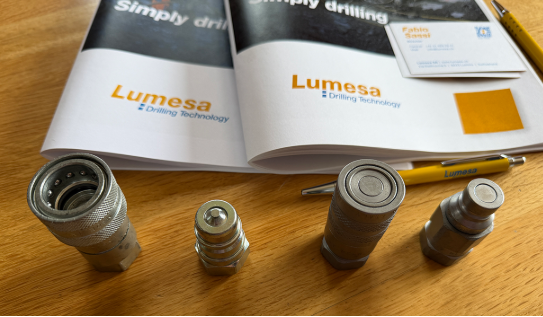
Flatkupplungen.JPG

Further development of hydraulic quick couplings

Hydraulic connection systems are subjected to high stresses in daily use. Conventional systems often experience oil losses during coupling and uncoupling, negatively impacting cleanliness, the environment, and efficiency. Additionally, contamination of the coupling surfaces and pressure losses within the system lead to increased maintenance and affect the consistent power transmission of the machines.

Conversion to flat couplings according to ISO 16028

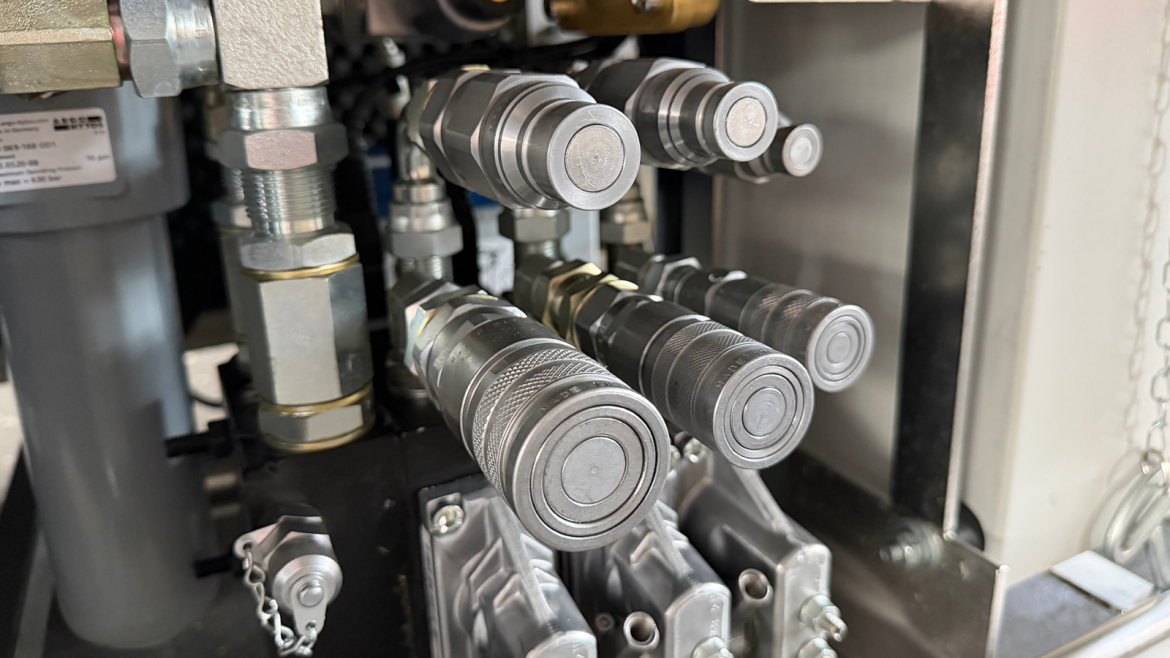
As part of the ongoing development of hydraulic systems, the switch is being made to flat couplings according to ISO 16028 (flat-face technology). The aim is to reduce losses and improve operational reliability and efficiency in daily use.

Reduced losses during coupling

The flat-sealing design significantly minimizes the leakage of hydraulic oil during coupling and uncoupling. This results in:

  • reduced oil losses during operation (cost savings)
  • reduced environmental impact
  • cleaner working environment

Constant oil flow and higher efficiency

The optimized internal profile ensures a consistent oil flow and reduces pressure losses in the system. This increases machine performance and improves energy efficiency during operation.

Robust for use on construction sites

The flat coupling geometry reduces susceptibility to dirt buildup and facilitates cleaning. This has a positive effect on the service life of the components and the maintenance requirements. Even under intensive operating conditions, the connection remains reliable and mechanically robust.

Quick and safe handling

The design of the flat couplings is geared towards simple, safe and quick operation. This reduces setup times and supports efficient workflows in daily use.

Impacts in daily use

Switching to flat couplings according to ISO 16028 leads to noticeable changes in the operation of hydraulic systems. Reduced losses, more stable power transmission, and lower maintenance requirements directly impact the costs, efficiency, and availability of the machines.